English
 Arabic
 French
 Spanish
 Portuguese
 Deutsch
 Turkish
 Dutch
Dutch
 Italiano
 Russian
 Romaian
 Portuguese (Brazil)
 Greek
Greek
Choke Inductor Market Grows with Increasing Deployment in Power Electronics and EV Systems
Other |
2026-01-15 07:43:03
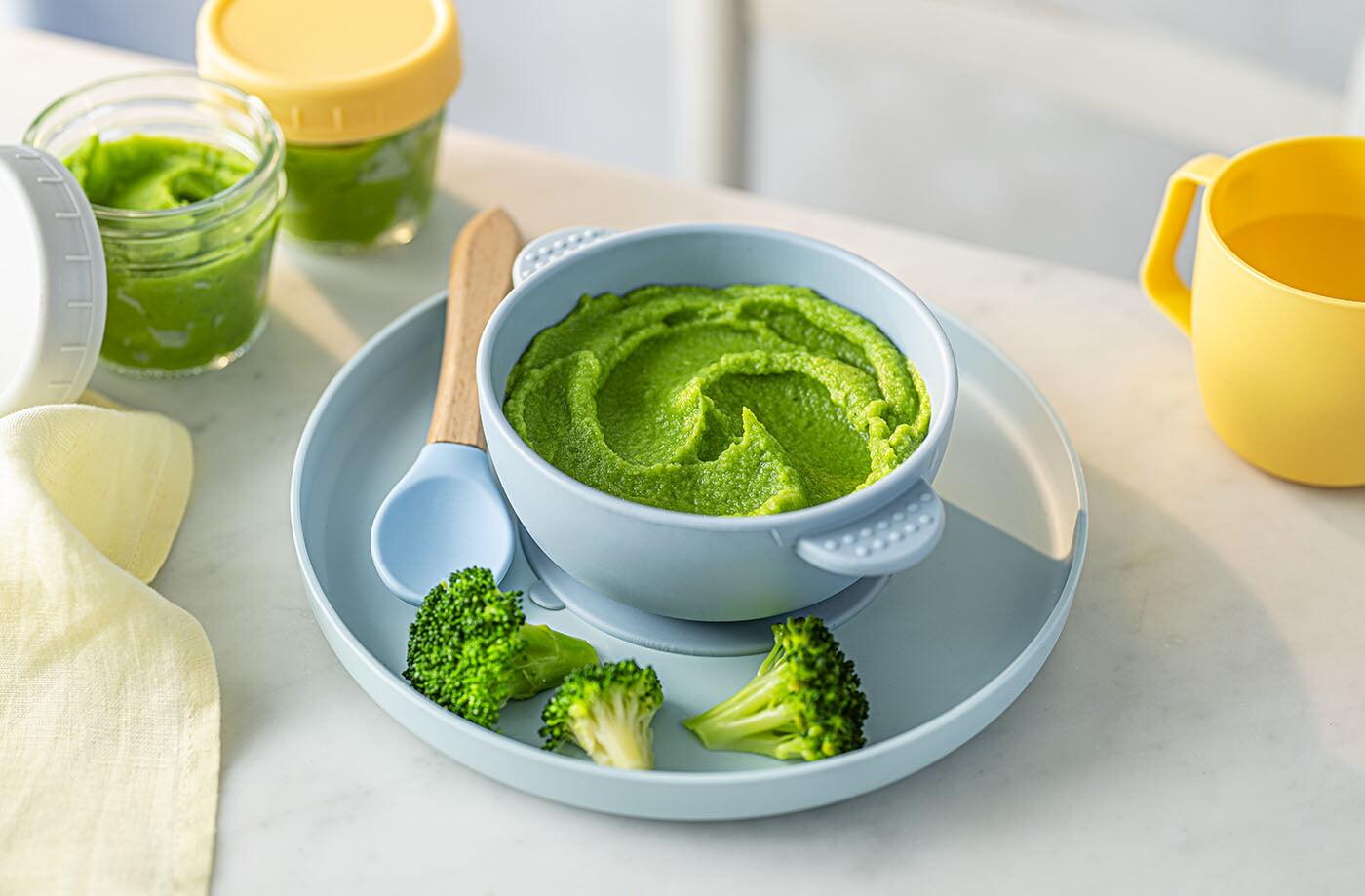
The broccoli puree market has steadily carved out a distinct space within the broader food and ingredient landscape. Known for its smooth texture, nutritional density, and adaptability across multiple applications, broccoli puree continues to attract attention from food manufacturers, culinary professionals, and health-focused consumers alike. As eating habits evolve and demand for plant-based, functional ingredients increases, broccoli puree has emerged as a versatile solution that bridges convenience with wellness.
Understanding Broccoli Puree as an Ingredient
Broccoli puree is produced by processing fresh or cooked broccoli into a smooth, uniform consistency. This form allows the vegetable to be incorporated easily into a wide range of food products without compromising flavor or nutritional integrity. The puree format also enhances usability in both industrial food processing and home cooking, making it suitable for soups, sauces, baby food, ready meals, and nutritional blends.
Its natural color, mild vegetal taste, and compatibility with other ingredients further strengthen its appeal across multiple culinary traditions.
Key Drivers Shaping the Broccoli Puree Market
One of the main forces influencing the broccoli puree market is the increasing emphasis on healthier food choices. Broccoli is widely associated with essential nutrients and plant-based goodness, and its pureed form provides an accessible way to integrate these benefits into everyday meals.
Another significant driver is the rising demand for convenience foods that do not compromise on quality. Broccoli puree allows manufacturers to deliver vegetable content in ready-to-use formats, saving preparation time while maintaining consistency in flavor and texture. This convenience factor is especially important in commercial kitchens and food processing environments.
The growing interest in clean-label and minimally processed ingredients has also supported the market’s development. Broccoli puree aligns well with consumer preferences for recognizable, plant-derived ingredients with simple processing methods.
Applications Across Food Categories
The versatility of broccoli puree is one of its strongest market advantages. In the baby food segment, it is widely used due to its smooth texture and suitability for early dietary stages. Its ability to blend seamlessly with other vegetables, grains, or proteins makes it a reliable base ingredient.
In the foodservice industry, broccoli puree is valued for its consistency and ease of use. Chefs incorporate it into soups, sauces, pureed sides, and creative menu offerings where presentation and flavor balance are essential.
The puree is also finding increased use in prepared meals, plant-based products, and functional food formulations. Its compatibility with vegan and vegetarian diets makes it particularly attractive in the development of modern, health-focused food solutions.
Role in Specialized Diets and Nutrition-Focused Products
Broccoli puree plays an important role in specialized diets that require texture modification, such as meals designed for elderly consumers or individuals with swallowing difficulties. The smooth consistency of the puree allows for safe consumption without sacrificing vegetable content.
In addition, the puree format supports fortification and blending with other functional ingredients, making it suitable for nutrition-oriented food products. This adaptability helps broaden its reach across healthcare, wellness, and lifestyle-driven food categories.
Processing and Quality Considerations
Maintaining quality throughout the production process is essential in the broccoli puree market. Factors such as color retention, flavor preservation, and texture consistency are critical to meeting customer expectations. Producers often focus on gentle processing techniques to preserve the natural characteristics of broccoli while ensuring food safety and shelf stability.
Packaging also plays a vital role, as it helps protect the puree from oxidation and contamination while offering convenience for both bulk buyers and end consumers.
Sustainability and Ingredient Sourcing
Sustainability considerations are becoming increasingly relevant within the broccoli puree market. Responsible sourcing practices, efficient use of raw materials, and waste reduction strategies are gaining importance among producers and buyers alike.
Using broccoli that may not meet visual standards for fresh retail but remains suitable for processing can help reduce food waste while supporting sustainable production models. This approach benefits both suppliers and manufacturers by maximizing resource efficiency.
Competitive Landscape and Innovation
The broccoli puree market is characterized by continuous innovation focused on improving texture, flavor, and application flexibility. Producers are exploring different processing techniques and blends to meet the diverse needs of food manufacturers and culinary professionals.
Customization has become a key differentiator, with suppliers offering varying consistency levels and formulation options to suit specific applications. This adaptability allows the market to respond effectively to changing industry requirements and consumer preferences.
Future Outlook Without Speculation
While the market continues to evolve, its foundation remains rooted in the core strengths of broccoli puree as a functional, plant-based ingredient. Its relevance across multiple food categories, alignment with modern dietary preferences, and ease of integration into existing products ensure its continued importance within the food industry.
Rather than being driven by trends alone, the broccoli puree market is shaped by practical demand, nutritional relevance, and versatility—factors that consistently support its role in both traditional and innovative food applications.