English
 Arabic
 French
 Spanish
 Portuguese
 Deutsch
 Turkish
 Dutch
Dutch
 Italiano
 Russian
 Romaian
 Portuguese (Brazil)
 Greek
Greek
Zeichen des Weisen – Fundorte & Tipps [Genshin Impact]
Games |
2025-12-16 01:47:46
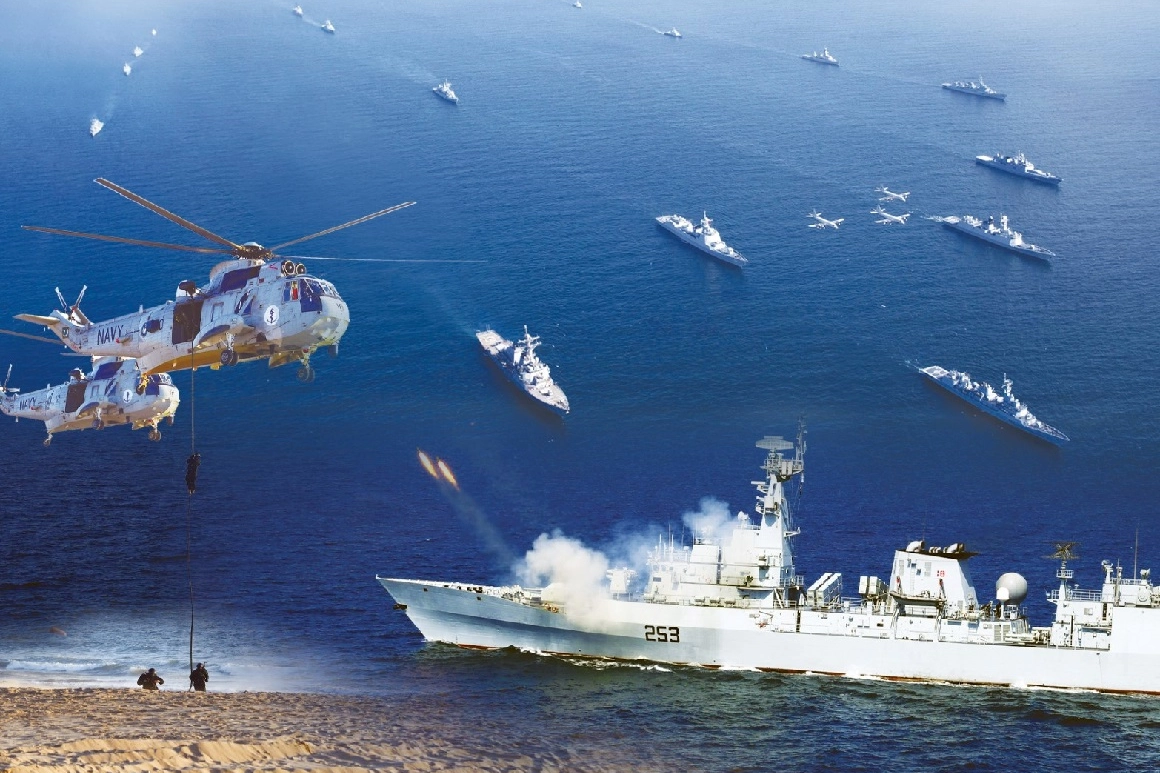
The maritime defense of a country plays a pivotal role in its security and international presence. For individuals seeking a career that combines discipline, skill development, and service to the nation, exploring opportunities within Pakistan’s naval sector can be a transformative decision. If you are considering a professional journey in this field, exploring pakistan navy jobs can provide insights into available positions, eligibility criteria, and growth prospects. This sector offers a wide range of roles for civilians, technical experts, and administrative professionals alike, making it a comprehensive platform for career development.
The navy is not just a military force; it is a strategic institution that ensures the protection of maritime borders, trade routes, and national interests. Pakistan’s naval forces are tasked with maintaining sovereignty over territorial waters, providing disaster relief during emergencies, and supporting international maritime operations when required. Careers in this field are highly regarded due to their combination of technical training, leadership opportunities, and a disciplined work environment.
While many associate naval careers exclusively with uniformed service, the naval sector also offers a variety of civilian roles. These include positions in engineering, administration, logistics, communications, medical services, and IT. Civilian professionals support naval operations by providing essential expertise that ensures smooth functioning across all departments.
For instance, technical roles may involve maintenance of naval equipment, software and network management, or development of innovative maritime technologies. Administrative positions focus on resource planning, human resource management, and operational coordination. This broad spectrum allows individuals from diverse educational and professional backgrounds to contribute meaningfully to national defense initiatives.
The eligibility criteria for civilian positions in the naval sector vary depending on the nature of the job. Generally, candidates are expected to have relevant educational qualifications, professional experience, and, in some cases, specific technical certifications. Age limits and nationality requirements are usually specified for each position.
For example, technical roles may require a degree in engineering or information technology, while administrative positions may call for experience in management, finance, or logistics. Additionally, candidates must often undergo a series of evaluations including written tests, interviews, and background verification to ensure they meet the high standards set by the organization.
Choosing a career in the naval sector offers numerous advantages beyond a stable income. Employees benefit from structured training programs, continuous skill enhancement, and exposure to cutting-edge technologies. The disciplined work environment fosters personal growth, leadership development, and a strong sense of responsibility.
Additionally, the naval sector provides health benefits, retirement plans, and opportunities for career progression. Many professionals find that working in such a respected institution adds significant value to their resumes and opens doors to international opportunities in maritime and defense sectors.
A defining feature of a career associated with the navy is the emphasis on training and professional development. New recruits and civilian employees undergo orientation programs that familiarize them with naval protocols, operational procedures, and safety standards. Technical staff receive specialized training to manage sophisticated machinery and software systems.
Continuous learning is encouraged through workshops, seminars, and certification courses. This ensures that personnel remain updated with the latest advancements in maritime technology, logistics management, and administrative practices. Investing in such training not only enhances professional competence but also strengthens the overall capabilities of the naval organization.
The work culture in the naval sector is structured and collaborative. Teamwork is emphasized, as the success of naval operations relies on coordinated efforts. Civilians and uniformed personnel often work side by side, fostering an environment of mutual respect and knowledge sharing.
Ethical standards, discipline, and accountability are integral to the work environment. Employees are encouraged to develop problem-solving skills, adapt to challenging situations, and maintain resilience under pressure. This culture not only ensures operational efficiency but also promotes personal growth and professional integrity.
One of the most attractive aspects of a naval career is the potential for career growth. Employees have access to clear promotion paths, opportunities to take on leadership roles, and the ability to specialize in particular fields of interest. Performance-based evaluations and recognition programs ensure that motivated professionals are rewarded and given opportunities to advance.
Furthermore, experience in the naval sector is highly valued in related industries. Professionals often transition into roles in maritime consultancy, defense contracting, and international logistics, leveraging the skills and experience gained during their tenure.
While a naval career offers many advantages, it also comes with its challenges. Certain roles may require extended periods away from home, particularly for those involved in operational support. High standards of discipline, strict adherence to protocols, and the physical and mental demands of certain positions require resilience and dedication.
It is important for candidates to carefully assess their interests, strengths, and lifestyle preferences before committing to a naval career. Awareness of these challenges ensures preparedness and long-term satisfaction in the chosen role.
Shortlisted candidates are invited for assessments, which may include written tests, interviews, and practical evaluations. Successful candidates undergo further orientation and training before being assigned to their respective roles. Timely application and careful preparation for assessments increase the likelihood of selection.
A career within Pakistan’s naval sector offers a unique combination of professional growth, personal development, and national service. From technical experts to administrative professionals, the organization provides a wide range of opportunities for individuals with diverse backgrounds and skills. With competitive benefits, structured training programs, and a culture of discipline and teamwork, the naval sector stands as a reputable and rewarding career choice.