English
 Arabic
 French
 Spanish
 Portuguese
 Deutsch
 Turkish
 Dutch
Dutch
 Italiano
 Russian
 Romaian
 Portuguese (Brazil)
 Greek
Greek
Streaming Content Updates: January 2026 Arrivals & Exits
Games |
2026-01-05 00:24:00
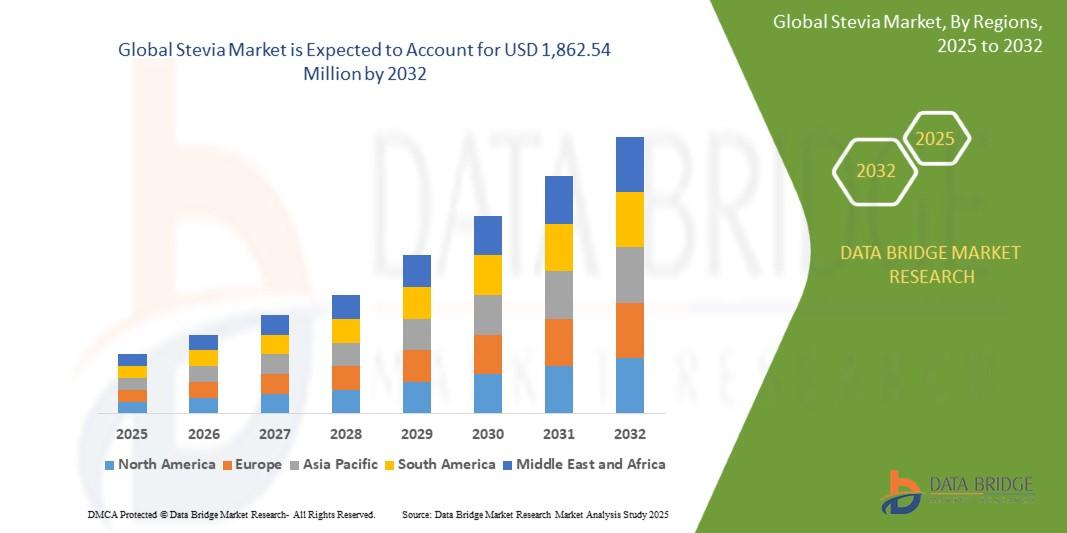
The global Stevia Market has emerged as one of the fastest-growing segments within the natural sweeteners and food ingredients industry. Driven by rising health consciousness, increasing prevalence of lifestyle-related diseases, and a growing preference for plant-based and clean-label products, stevia has transitioned from a niche sugar alternative to a mainstream ingredient across food, beverage, pharmaceutical, and personal care industries. As consumers actively reduce sugar intake, stevia’s zero-calorie profile and natural origin have positioned it as a preferred sweetening solution worldwide.
Stevia is a natural sweetener derived from the leaves of the Stevia rebaudiana plant. It is significantly sweeter than sucrose while containing no calories, making it particularly attractive for consumers seeking healthier dietary options. Unlike artificial sweeteners, stevia is plant-based, which aligns well with clean-label trends and growing consumer skepticism toward synthetic food additives.
The stevia market encompasses raw stevia leaves, liquid extracts, powder forms, and high-purity steviol glycosides such as Reb A, Reb M, and Reb D. These variants are used across a wide range of applications, including soft drinks, dairy products, bakery items, tabletop sweeteners, pharmaceuticals, nutraceuticals, and oral care products.
Uncover strategic insights and future opportunities in the Stevia Market . Access the complete report:
https://www.databridgemarketresearch.com/reports/global-stevia-market
One of the most significant drivers of the stevia market is increasing awareness of the health risks associated with excessive sugar consumption. Obesity, diabetes, cardiovascular diseases, and metabolic disorders have prompted consumers to actively seek sugar alternatives. Stevia, being calorie-free and having minimal impact on blood glucose levels, is widely accepted by diabetic and health-conscious populations.
Government initiatives aimed at reducing sugar intake, such as sugar taxes and nutritional labeling regulations, have further accelerated the adoption of stevia in packaged foods and beverages. Food manufacturers are reformulating products to comply with regulatory standards while maintaining taste profiles, making stevia a strategic ingredient.
Modern consumers are increasingly scrutinizing ingredient lists, favoring products with simple, natural, and recognizable components. Stevia’s plant-derived nature gives it a strong advantage over artificial sweeteners such as aspartame and saccharin. The clean-label movement has significantly boosted stevia’s acceptance, especially in premium and health-focused product categories.
The food and beverage sector remains the largest end-use segment of the stevia market. Stevia is extensively used in carbonated beverages, flavored water, energy drinks, dairy products, yogurts, ice creams, confectionery, and baked goods. Beverage manufacturers, in particular, are leveraging stevia to reduce sugar content without compromising sweetness, enabling them to target health-oriented consumers.
Despite its advantages, stevia faces challenges related to taste. Some steviol glycosides can produce a bitter or licorice-like aftertaste, which has historically limited broader adoption. However, advancements in extraction technologies and blending techniques have significantly improved flavor profiles, reducing this barrier over time.
Stevia extraction and purification processes can be cost-intensive compared to traditional sugar production. Additionally, dependence on agricultural output makes the market susceptible to climatic conditions and crop yield fluctuations. These factors can influence pricing and profit margins, particularly for smaller manufacturers.
The stevia market is segmented into whole leaf, powder, liquid, and leaf extract forms. High-purity steviol glycosides dominate the market due to their superior sweetness and improved taste characteristics. Reb M and Reb D are gaining popularity as next-generation stevia compounds because they closely mimic the taste of sugar.
Food and beverages account for the largest market share, followed by pharmaceuticals and nutraceuticals. Stevia is widely used in sugar-free syrups, chewable tablets, and health supplements. In the personal care sector, it is used in toothpaste and mouthwash formulations due to its non-cariogenic properties.
Stevia products are distributed through direct sales to manufacturers, retail stores, specialty health stores, and online platforms. The rise of e-commerce has expanded accessibility, especially for tabletop stevia sweeteners and consumer-packaged products.
North America and Europe represent mature markets, driven by high health awareness and strong demand for low-calorie products. The Asia-Pacific region is experiencing the fastest growth due to rising disposable incomes, increasing urbanization, and growing adoption of western dietary habits. Countries in Latin America are also witnessing steady growth, supported by favorable climatic conditions for stevia cultivation.
The stevia market is moderately consolidated, with key players focusing on product innovation, advanced extraction technologies, and strategic partnerships. Companies are investing heavily in research and development to improve taste profiles and develop new steviol glycoside variants. Sustainable sourcing, traceability, and organic certification have become important competitive differentiators.
Mergers, acquisitions, and collaborations with food and beverage manufacturers are common strategies used to expand market presence and enhance product portfolios.
Biotechnology-based production of steviol glycosides using fermentation is gaining traction as an alternative to traditional plant extraction. This approach ensures consistent quality, scalability, and reduced environmental impact. Additionally, blends of stevia with other natural sweeteners such as erythritol and monk fruit are increasingly used to achieve sugar-like taste and mouthfeel.
The growing demand for plant-based and vegan products is also expected to further strengthen stevia’s market position in the coming years.
The stevia market is poised for sustained growth, supported by long-term shifts toward healthier diets and natural food ingredients. Continuous advancements in flavor technology, cost optimization, and sustainable production practices are expected to address existing challenges and unlock new growth opportunities.
As consumer preferences evolve and regulatory pressure on sugar intensifies, stevia is likely to remain a key component of sugar-reduction strategies across multiple industries. The market’s future will be shaped by innovation, consumer education, and the ability of manufacturers to deliver products that balance health benefits with taste satisfaction.
Browse More Reports:
Global Water Treatment Chemicals Market
Global Scented Candle Market
Global Ceramics Market
Europe Japanese Restaurant Market
Global Smart Fleet Management Market
Global Tuna Market
Global Tote Bags Market
Global Gemstones Market
Global Japanese Restaurant Market
Global Hypochlorous Acid Market
Global Toothbrush Market
Global Cataracts Market
Global Wire and Cable Market
Global Plant-Based Food Market
Global Tomatoes Market
About Data Bridge Market Research:
An absolute way to forecast what the future holds is to comprehend the trend today!
Data Bridge Market Research set forth itself as an unconventional and neoteric market research and consulting firm with an unparalleled level of resilience and integrated approaches. We are determined to unearth the best market opportunities and foster efficient information for your business to thrive in the market. Data Bridge endeavors to provide appropriate solutions to the complex business challenges and initiates an effortless decision-making process. Data Bridge is an aftermath of sheer wisdom and experience which was formulated and framed in the year 2015 in Pune.
Contact Us:
Data Bridge Market Research
US: +1 614 591 3140
UK: +44 845 154 9652
APAC : +653 1251 975
Email:- corporatesales@databridgemarketresearch.com