English
 Arabic
 French
 Spanish
 Portuguese
 Deutsch
 Turkish
 Dutch
Dutch
 Italiano
 Russian
 Romaian
 Portuguese (Brazil)
 Greek
Greek
Global Mobile Wood Tub Grinder Market Analysis by Size, Share, Key Drivers, Growth Opportunities and Global Trends 2025-2034
Other |
2025-10-28 09:02:39
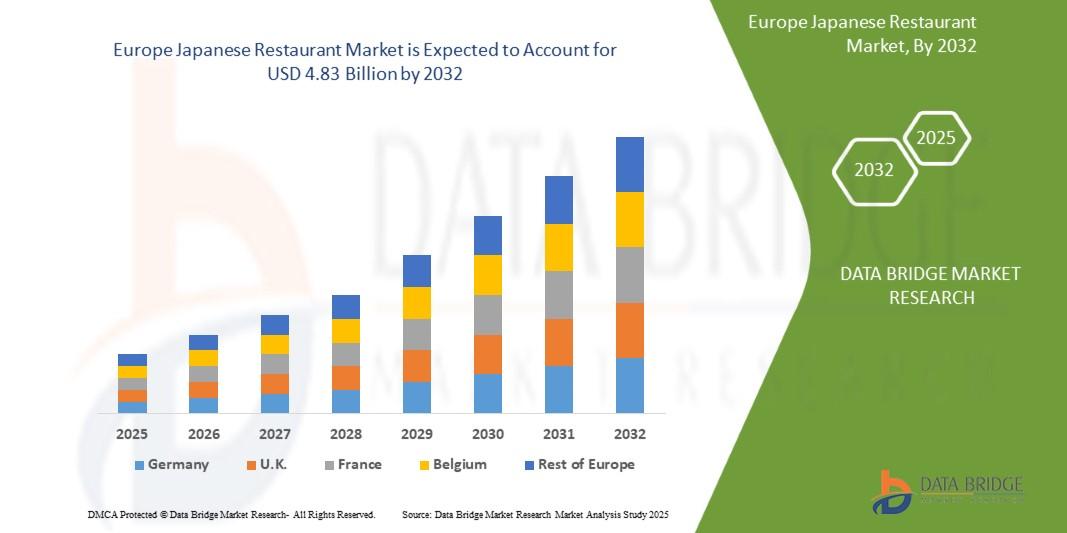
The Europe Japanese Restaurant Market has experienced robust growth over the past decade, driven by rising consumer interest in global cuisines, increased awareness of Japanese food culture, and a growing preference for healthy, premium dining experiences. Japanese cuisine, known for its emphasis on fresh ingredients, balanced flavors, and visual presentation, has moved from a niche offering to a mainstream dining choice across major European economies.
As urbanization accelerates, disposable incomes rise, and dining habits evolve, Japanese restaurants—including sushi bars, ramen shops, izakayas, and fine-dining establishments—are becoming integral to Europe’s foodservice landscape. This article provides a comprehensive, data-driven, and SEO-optimized analysis of the Europe Japanese Restaurant Market, covering market drivers, segmentation, regional performance, competitive dynamics, challenges, and future growth opportunities.
The Europe Japanese Restaurant Market encompasses a wide range of dining formats offering authentic and fusion Japanese cuisine across casual, fast-casual, and fine-dining segments. The market has expanded steadily due to changing consumer tastes, tourism growth, and the increasing popularity of Asian food culture.
Japanese cuisine’s reputation for health, quality, and authenticity aligns well with European consumers’ growing focus on nutrition, sustainability, and premium food experiences. From traditional sushi and sashimi to modern ramen bowls and Japanese-inspired street food, the diversity of offerings has significantly broadened the market’s appeal.
Uncover strategic insights and future opportunities in the Europe Japanese Restaurant Market. Access the complete report:
https://www.databridgemarketresearch.com/reports/europe-japanese-restaurant-market
European consumers are increasingly adventurous in their food choices. Exposure to global travel, food media, and multicultural populations has driven strong demand for authentic international cuisines, with Japanese food ranking among the most sought-after Asian dining options.
Japanese cuisine is widely perceived as healthy due to its use of fresh seafood, vegetables, rice, fermented foods, and minimal oil. This perception strongly supports market growth as consumers seek nutritious alternatives to traditional fast food and heavily processed meals.
Urban centers across Europe are witnessing a surge in dining-out frequency, supported by busy lifestyles and higher disposable incomes. Japanese restaurants, particularly sushi and ramen concepts, fit well into both quick-service and premium dining occasions.
Japanese pop culture, including anime, manga, and lifestyle aesthetics, has indirectly boosted interest in Japanese food. Younger demographics, in particular, associate Japanese restaurants with modern, trendy, and experiential dining.
Sushi Restaurants
Sushi-focused establishments represent a dominant share of the market. Their popularity stems from product versatility, strong takeaway and delivery demand, and wide consumer acceptance.
Ramen and Noodle Restaurants
Ramen shops have gained rapid traction, especially in colder European climates. Their affordability and comfort-food appeal support repeat consumption.
Izakaya and Casual Dining
Izakaya-style restaurants offer shared plates and social dining experiences, resonating strongly with younger consumers and urban professionals.
Fine-Dining Japanese Restaurants
High-end Japanese restaurants cater to premium consumers seeking authentic culinary craftsmanship and omakase-style experiences.
Dine-In
Dine-in remains the primary revenue contributor, particularly for fine-dining and experiential formats.
Takeaway and Delivery
Sushi and bento formats are highly compatible with takeaway and food delivery platforms, supporting strong growth in this segment.
Western Europe holds the largest share of the Europe Japanese Restaurant Market. Countries such as the United Kingdom, France, and Germany lead in restaurant density, consumer spending, and innovation. High tourism inflows and multicultural populations further support market expansion.
Southern European countries are witnessing growing adoption of Japanese cuisine, particularly in major cities and tourist destinations. The market here is driven by younger consumers and fusion dining concepts that blend Japanese and Mediterranean influences.
Northern Europe demonstrates strong demand for sustainable, premium food offerings, aligning well with Japanese culinary principles. Sushi consumption is particularly high in urban areas.
Eastern Europe represents an emerging market with significant growth potential. Increasing disposable incomes and exposure to international dining trends are gradually driving demand for Japanese restaurants.
The Europe Japanese Restaurant Market is moderately fragmented, consisting of independent restaurants, regional chains, and international brands. Competition is based on authenticity, menu innovation, pricing, location, and service quality.
Independent operators dominate in authenticity-driven segments, while branded chains benefit from standardized operations, strong marketing, and scalability. Many players are also focusing on interior design, chef-driven menus, and digital ordering systems to enhance customer engagement.
Consumers increasingly value authentic flavors, traditional preparation techniques, and cultural storytelling. Restaurants emphasizing Japanese culinary heritage gain stronger brand loyalty.
Fusion menus combining Japanese flavors with European ingredients are gaining popularity, especially among younger consumers seeking novelty.
Sustainably sourced seafood, eco-friendly packaging, and waste reduction practices are becoming important differentiators in the market.
Online reservations, digital menus, and delivery integrations are transforming how Japanese restaurants operate and engage with customers.
Premium ingredients such as fresh seafood and imported products increase operational costs, impacting profitability.
Authentic Japanese cuisine requires skilled chefs, and the shortage of trained professionals poses a challenge for market expansion.
While premium dining thrives in major cities, price sensitivity in smaller markets can limit growth potential.
The future of the Europe Japanese Restaurant Market remains highly positive. Continued urbanization, rising health consciousness, and evolving consumer tastes will sustain demand. Expansion into secondary cities, development of scalable fast-casual concepts, and increased focus on sustainability are expected to unlock new growth avenues.
Technological advancements, menu innovation, and experiential dining formats will further enhance market competitiveness. As Japanese cuisine continues to integrate into Europe’s mainstream food culture, long-term market growth is expected to remain strong.
The Europe Japanese Restaurant Market is positioned for sustained expansion, driven by strong consumer demand for healthy, authentic, and premium dining experiences. With favorable demographic trends, growing cultural acceptance, and continuous innovation, Japanese restaurants are set to play an increasingly prominent role in Europe’s foodservice industry.
Browse More Reports:
Global Water Treatment Chemicals Market
Global Scented Candle Market
Global Ceramics Market
Europe Japanese Restaurant Market
Global Smart Fleet Management Market
Global Tuna Market
Global Tote Bags Market
Global Gemstones Market
Global Japanese Restaurant Market
Global Hypochlorous Acid Market
Global Toothbrush Market
Global Cataracts Market
Global Wire and Cable Market
Global Plant-Based Food Market
Global Tomatoes Market
About Data Bridge Market Research:
An absolute way to forecast what the future holds is to comprehend the trend today!
Data Bridge Market Research set forth itself as an unconventional and neoteric market research and consulting firm with an unparalleled level of resilience and integrated approaches. We are determined to unearth the best market opportunities and foster efficient information for your business to thrive in the market. Data Bridge endeavors to provide appropriate solutions to the complex business challenges and initiates an effortless decision-making process. Data Bridge is an aftermath of sheer wisdom and experience which was formulated and framed in the year 2015 in Pune.
Contact Us:
Data Bridge Market Research
US: +1 614 591 3140
UK: +44 845 154 9652
APAC : +653 1251 975
Email:- corporatesales@databridgemarketresearch.com